Cyberpunk 2077: Five Years of Redemption in Night City
Cyberpunk 2077's five-year anniversary highlights its incredible redemption from a troubled launch to a celebrated masterpiece, showcasing resilience and innovation in gaming.
December 10, 2025 marks a milestone that many in the gaming industry once thought impossible - the five-year anniversary of Cyberpunk 2077, a game that transformed from industry cautionary tale to celebrated masterpiece. Looking back at the journey from catastrophic launch to triumphant redemption, it's difficult to imagine that the same title that was once removed from PlayStation's digital storefront is now celebrated with anniversary events and a devoted global fanbase.
The Fall Before the Rise
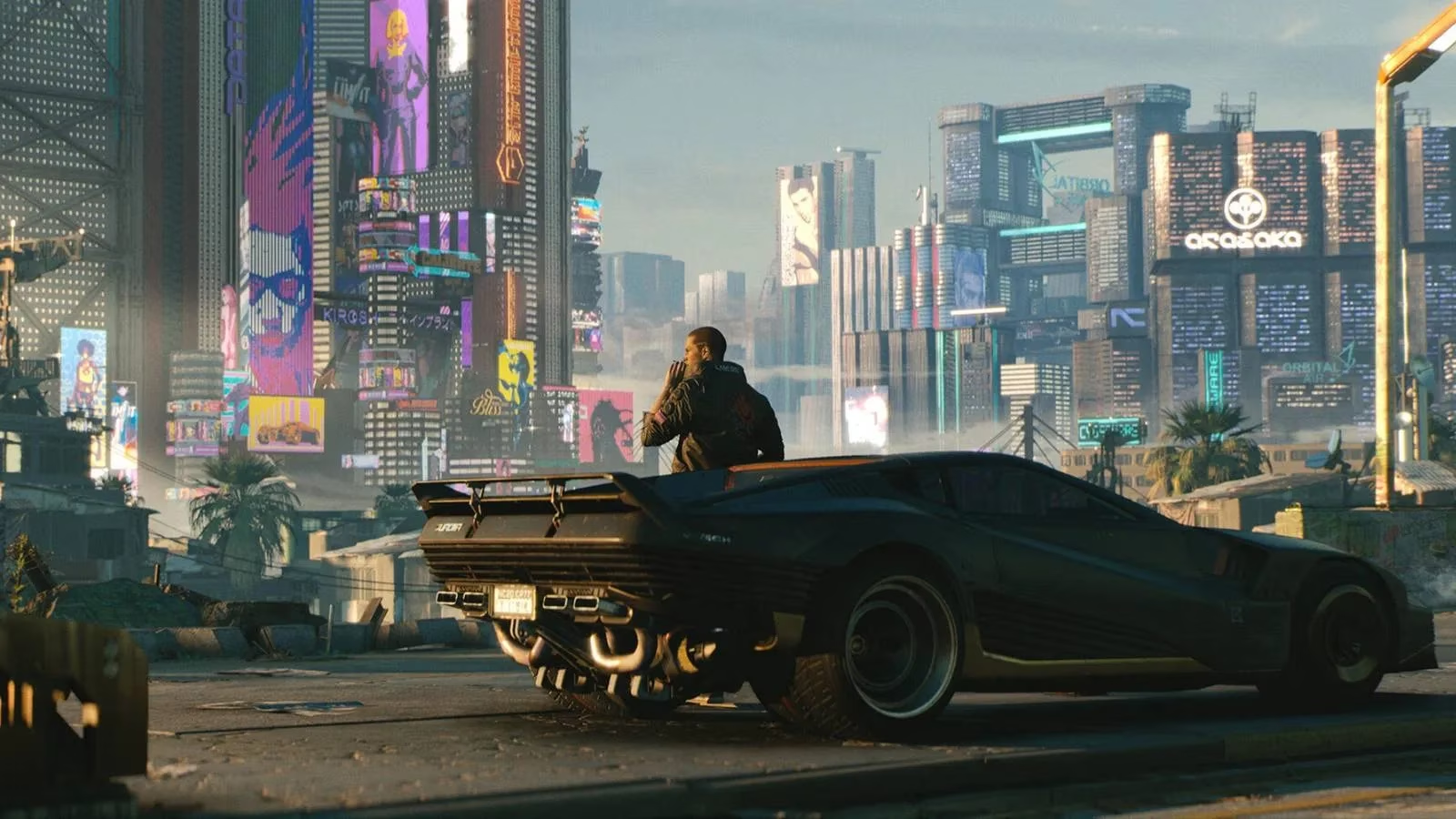
When CD Projekt Red released Cyberpunk 2077 on December 10, 2020, expectations couldn't have been higher. Fresh off the monumental success of The Witcher 3: Wild Hunt, the Polish studio had cultivated a reputation for creating immersive, narrative-driven RPGs that pushed the boundaries of gaming. But what awaited players that fateful December day? A technical nightmare that would become legendary in gaming circles.
The scenes that unfolded were almost comical, if not so disappointing. Players witnessed NPCs frozen in T-poses, vehicles spontaneously launching into the sky, and frame rates that stuttered like a nervous teenager asking for a first date. On last-generation consoles like PlayStation 4 and Xbox One, the game barely maintained 20 FPS, with textures loading in at resolutions that reminded players of games from two generations prior.
But what separates great studios from good ones? Is it not their response to adversity rather than their initial success?
The Phoenix Rises from Digital Ashes
Instead of abandoning their creation, CD Projekt Red embarked on what would become one of gaming's greatest redemption arcs. Month after month, they released patches, updates, and fixes. They communicated transparently with their community, acknowledging mistakes and promising to make things right.
The turning point came with the 2.0 update and the Phantom Liberty expansion. These weren't mere patches—they represented a fundamental reimagining of core systems. Combat became more fluid, AI more responsive, and Night City more alive than ever before. When Idris Elba stepped into the role of Solomon Reed, bringing his considerable talent to the expansion, it signaled that major stars still believed in the project's potential.
By 2023, the narrative had shifted completely. Gaming outlets that had once panned the title were publishing retrospectives on its remarkable turnaround. Players who had demanded refunds in 2020 were returning to Night City, often expressing amazement at the transformation.
Five Years Later: A Celebration
Today's anniversary trailer asks players a poignant question: "What would you do differently?" It's a question that resonates on multiple levels—for the characters within Night City's neon-drenched streets, for the developers who created it, and for the players who have witnessed its evolution.
The celebration brings together all the iconic faces that made the journey memorable:
-
Johnny Silverhand (portrayed by Keanu Reeves) with his rebellious swagger
-
Jackie Welles, the loyal friend whose fate touched so many players
-
V, the customizable protagonist whose journey became our own
-
Solomon Reed (portrayed by Idris Elba), the spy who added new dimensions to the narrative
As these characters gather at the bar in the anniversary trailer, it serves as a metaphor for the community that has formed around this once-maligned game. What was broken has been fixed. What was disappointing has become inspiring.
The Road Ahead: Cyberpunk 2 and Beyond
While no new content updates are planned for Cyberpunk 2077 itself, the future of the franchise burns bright. CD Projekt Red's Boston studio is deep in development on the sequel, currently known simply as Cyberpunk 2. Though specifics remain scarce, industry insiders report that development is progressing well, with the team growing steadily as the project advances.
For those wondering about CD Projekt Red's other major franchise, The Witcher 4 entered full production in 2024 and is expected to arrive before Cyberpunk 2. In fact, the studio has ambitious plans to release an entire new Witcher trilogy within a six-year window—a bold promise from a developer that has learned hard lessons about release schedules and promises.
Lessons Written in Code
What lessons can the industry take from Cyberpunk 2077's five-year journey? Perhaps the most important is that initial failure need not define a game's legacy. With sufficient dedication, transparency, and genuine effort, even the most troubled launch can evolve into something worthy of celebration.
Consider these key takeaways:
-
Transparency builds trust - CD Projekt Red's honest communication helped maintain a core community even during the darkest days
-
Actions speak louder than promises - Each update demonstrated commitment more effectively than any roadmap
-
Community feedback is invaluable - Many of the game's most significant improvements came directly from player suggestions
-
Redemption takes time - There were no quick fixes, only persistent effort over years
As we raise a virtual glass to Cyberpunk 2077's fifth anniversary, it's worth asking: how many other potentially great games were abandoned too quickly? How many digital worlds never reached their potential because publishers lacked the courage to stay the course?
Night City stands as a monument to perseverance—both within its fictional narrative and in the real-world story of its creation. For every player diving into its streets today, for every modder creating new experiences, for every streamer sharing their adventures, Cyberpunk 2077 represents something more than just another game.
It represents the possibility of redemption. And in an industry often defined by hype cycles and forgotten promises, that's a rare and precious thing indeed.
As Johnny Silverhand might say, "That's the thing about Night City—it tries to kill you, it breaks you, but damn if it doesn't give you a chance to get back up again."