Cyberpunk 2077: From Disastrous Launch to Redemption
Cyberpunk 2077’s disastrous launch gave way to Phantom Liberty redemption, as CDPR’s patches rebuilt Night City and won back trust.
I still remember the hype surrounding Cyberpunk 2077 back in 2020—everyone I knew was counting down the days, hyped to dive into Night City’s neon-drenched chaos after nearly a decade of teases from CD Projekt Red. Little did we know the launch would go down as one of the most infamous in gaming history, even if the game itself had the bones of something special. 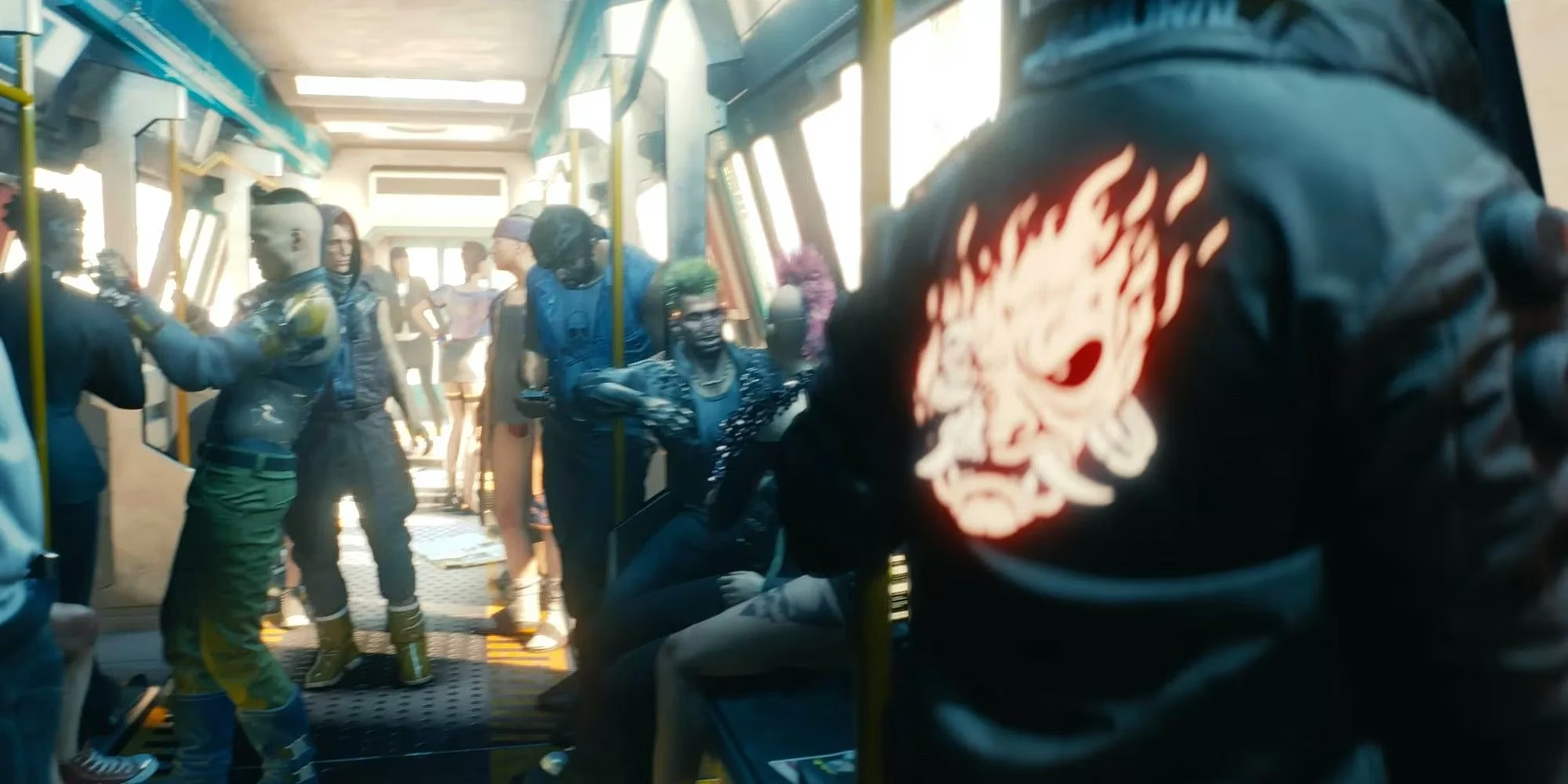
First off, the initial reviews were shockingly positive: the PC version scored an 86 on Metacritic, a solid mark for a big-budget RPG. But there was a catch. Critics got early access to high-end PC builds that were far less buggy, while last-gen console copies (the ones most regular players would buy) were delayed for reviewers. Once the game dropped for everyone, the truth came out fast. Last-gen versions were a mess—game-breaking bugs, visual glitches, even reports of seizure-inducing scenes. It got so bad Sony pulled it from the PlayStation Store just eight days after launch, a move almost unheard of for a major title; usually, PlayStation won’t even let you refund a game if you’ve so much as hit download.
The backlash was brutal, and CDPR’s PR vice president Michał Platkow-Gilewski later told GamesIndustry.biz that the negativity felt like a sudden shift. He said, “I actually believe Cyberpunk on launch was way better than it was received, and even the first reviews were positive… Then it became a cool thing not to like it. We went from hero to zero really fast.” I get that vibe—once the hate train left the station, it felt like everyone was piling on, even if some players were having a decent time on PC or next-gen. But it’s hard to blame anyone for being mad when the bugs were so absurd: genitals clipping through pants, dildos spawning way too big, characters disappearing leaving only their clothes, cars falling out of the sky, tiny trees popping up indoors, and constant crashes. It was a mess, plain and simple.
But CDPR didn’t throw in the towel. Platkow-Gilewski said they never felt broken, just determined to fix the game. They spent years patching it, addressing bugs, and refining the experience. Then, in 2023, they dropped Phantom Liberty, a massive expansion that also overhauls the base game. 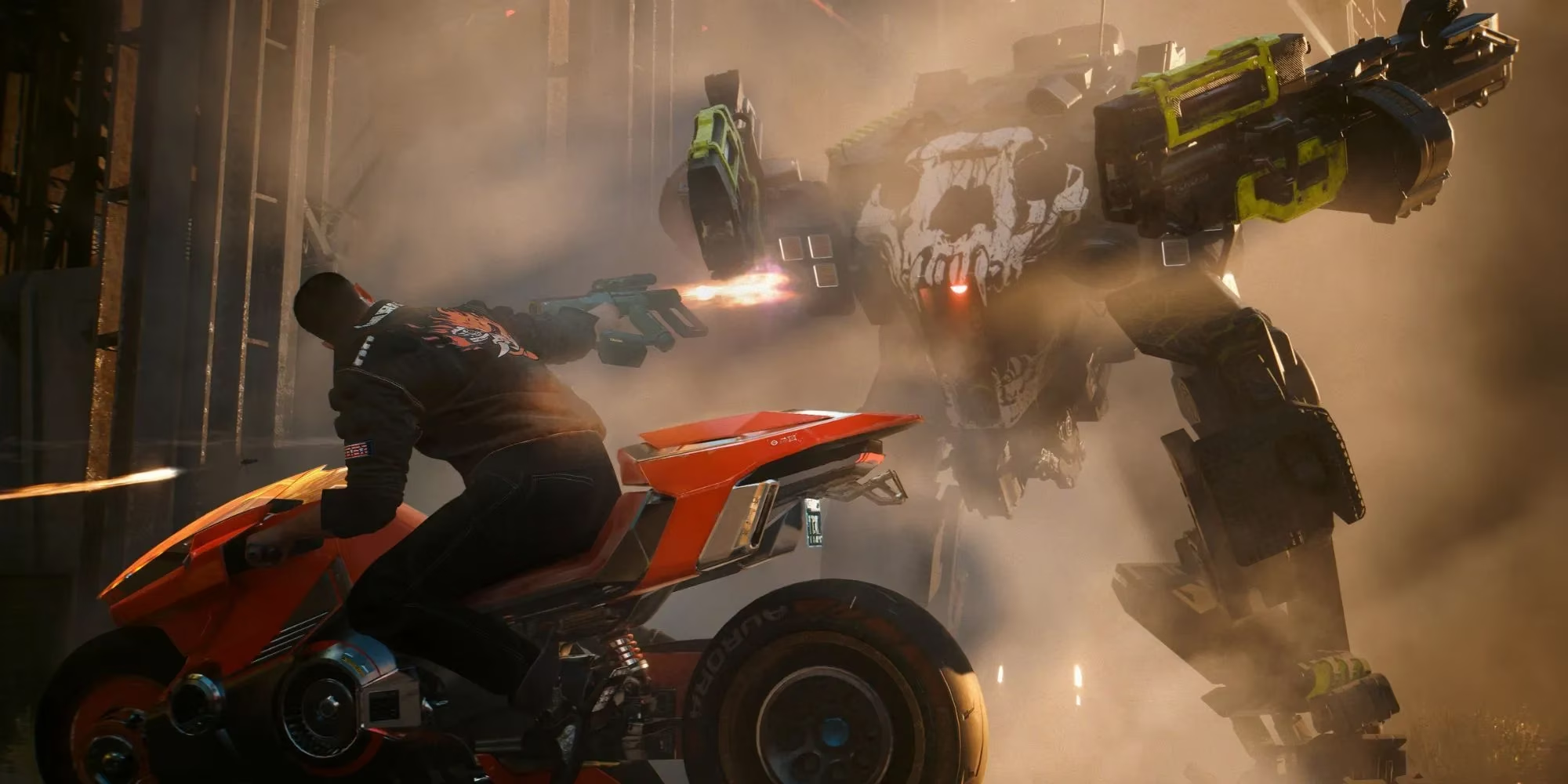 It was their shot at redemption, three years after the disastrous launch, to make the game live up to all the promises they’d made over a decade.
I picked up the updated base game and Phantom Liberty in 2024, and it’s night and day from the 2020 version. Night City feels alive now—no more random trees indoors, no more cars plummeting from the clouds, and the story hits just as hard as I’d hoped back in 2020. It’s wild to think how far it’s come. CDPR didn’t just fix a game; they won back a lot of players’ trust, even if some still hold a grudge over the launch. For me, it’s a reminder that even when things go off the rails, a little grit and a lot of hard work can turn a disaster into something worth playing.
This overview is based on reporting from Eurogamer, whose long-running coverage of major releases helps frame why Cyberpunk 2077’s turnaround resonated so strongly with players: the contrast between its troubled debut and its later improvements showed how sustained patches, systemic redesigns, and a substantial expansion can reshape public opinion around a once-controversial RPG.