Cyberpunk 2077’s Full Ray Tracing Update: What You Need to Know
Cyberpunk 2077’s free PC ray tracing update adds full-path ray tracing on April 11, with DLSS 3 making the stunning Night City lighting playable.
If you’ve ever booted up Cyberpunk 2077 and thought, “This looks cool, but it could be so much more immersive,” you’re in for a treat. CD Projekt Red is dropping a free PC-only update next week that’s set to redefine how the game’s neon-drenched Night City feels—and it’s all thanks to full-path ray tracing. 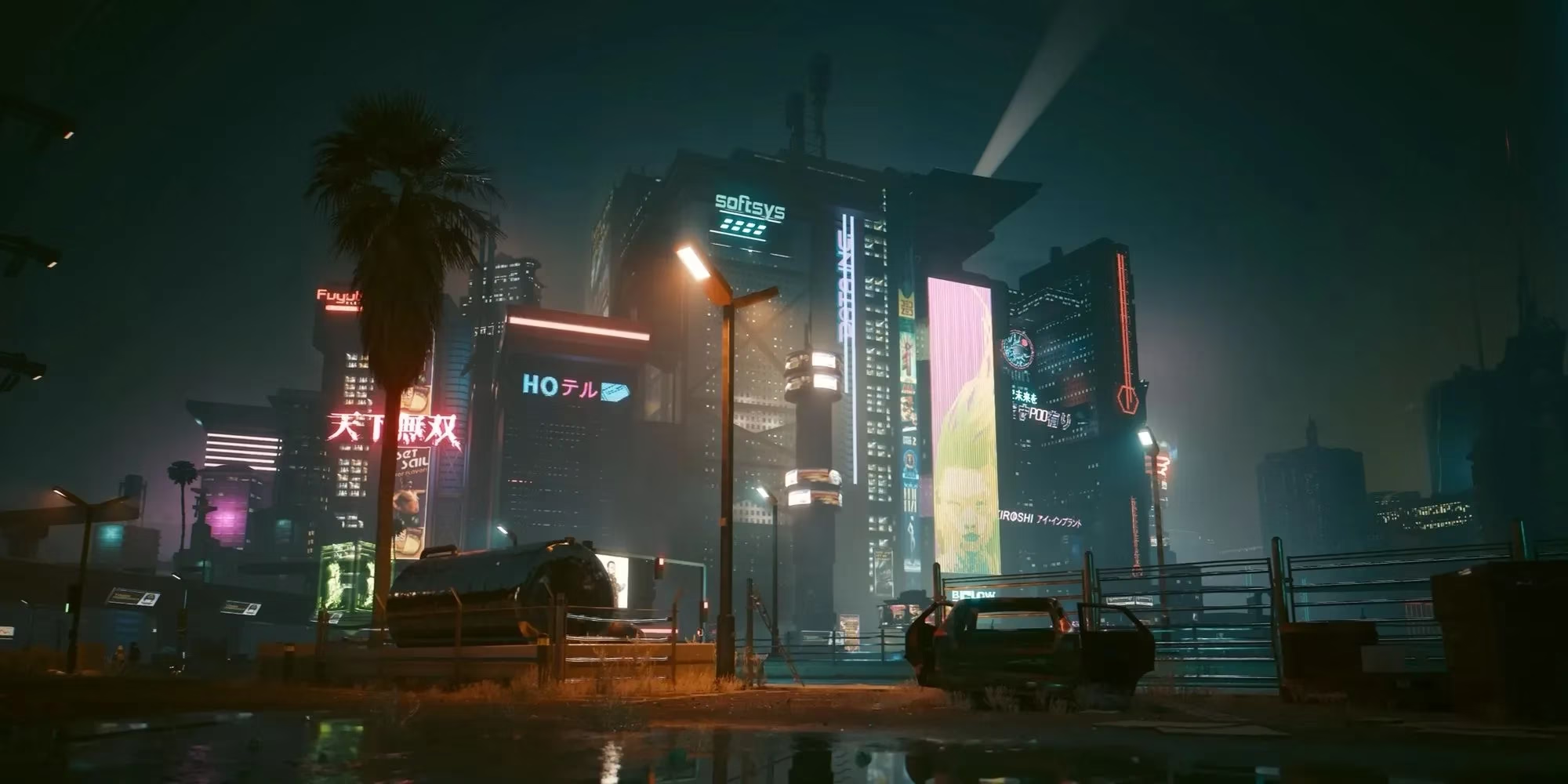
First, let’s clear up a common misconception: Cyberpunk 2077 already has ray tracing, right? Well, sort of. The current-gen update’s ray tracing is partial—it only applies to a small number of light sources, so you get ray-traced shadows, reflections, and global illumination for key lights, but not every single one. That’s still pretty impressive, but it’s nothing compared to what’s coming on April 11. The new update will flip the switch for ray tracing on all light sources, meaning every object in Night City will have physically accurate shadows, reflections, and global illumination. No more fudged lighting for background streetlights or neon signs; every little light will behave exactly like it would in real life.
What does that actually look like? Imagine walking down Night City’s crowded streets: a tiny, flickering neon “OPEN” sign on a corner bodega will cast a soft, colored glow on the wet sidewalk, while a giant holographic ad for Arasaka will reflect perfectly in the glass of a skyscraper across the street. A streetlamp’s bright corona will bleed into the fog, and a car’s headlights will cut through the rain with sharp, realistic shadows. Even the way light bounces off a character’s leather jacket or a piece of chrome armor will look totally natural. It’s the kind of detail that makes you stop mid-quest just to stare at the world around you.
But here’s the catch: this level of realism doesn’t come cheap. To run full-path ray tracing in Cyberpunk 2077, you’re going to need a beast of a gaming rig. We’re talking top-tier components, the kind that cost more than most people’s first cars. And even if you have all that hardware, you’re probably not going to get a smooth frame rate without a little help. That’s where DLSS 3 comes in.
DLSS 3, Nvidia’s AI-powered super-sampling technology, was added to Cyberpunk 2077 back in January, and it’s a game-changer. Without DLSS 3, even an RTX 4090 (one of the most powerful consumer GPUs on the market) can barely hit 30 frames per second at 4K with full ray tracing enabled. But turn on DLSS 3, and that frame rate jumps to over 100 fps. It’s not just a small bump—it’s the difference between a choppy, unplayable mess and a silky-smooth, immersive experience. It’s like having a secret weapon that lets you enjoy all the pretty graphics without sacrificing performance.
And let’s be clear: this isn’t something console players can get excited about. Even the latest current-gen consoles, like the PS5 and Xbox Series X, don’t have the power to handle full-path ray tracing in Cyberpunk 2077. This update is PC-exclusive, and even then, it’s only for players with 40-series RTX GPUs and equally beefy CPUs and RAM. If you’re still rocking a 30-series GPU or lower, you’re out of luck—for now, at least.
CD Projekt Red is calling this new mode “Ray Tracing: Overdrive Mode,” and it’s set to launch on April 11. There’s a chance it’ll come with a larger game update, but the DLSS 3 update back in January was a standalone release, so it’s possible we won’t see the 1.62 patch alongside it. Either way, it’s a big deal for Cyberpunk 2077 fans who’ve been waiting for the game to reach its full visual potential.
Night City is about to look more alive than ever, but only for the lucky few with the hardware to pull it off. It’s a reminder of how far gaming technology has come—and how much it can cost to keep up.
This discussion is informed by PC Gamer, whose reporting on cutting-edge graphics features helps frame why Cyberpunk 2077’s Overdrive Mode is such a notable milestone for PC gaming. Their coverage often emphasizes the practical side of visual upgrades as well, underscoring how technologies like full path tracing and DLSS reshape both image quality and the hardware demands required to enjoy next-generation rendering smoothly.