Phantom Liberty's True Heart: Honor Over Duty
Cyberpunk 2077 Phantom Liberty transcends spy thriller tropes to deliver a raw human story of loyalty and betrayal.
When I finally dove into Cyberpunk 2077: Phantom Liberty, I expected a slick spy thriller filled with espionage gadgets and covert operations. What I got instead was something far more profound—a deeply human story about loyalty, betrayal, and the messy bonds that tie people together long after the mission ends.
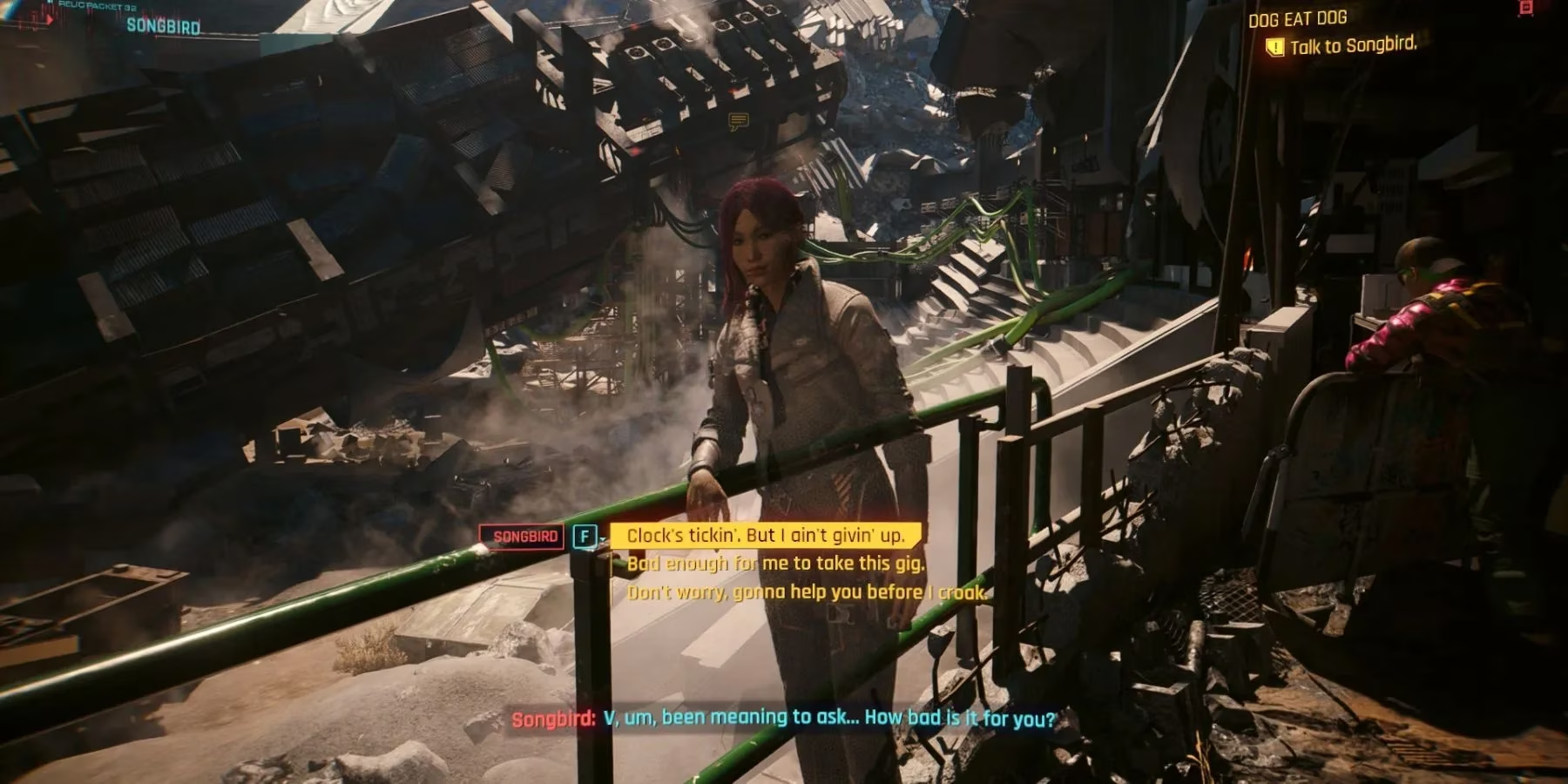
Let me be clear: this expansion isn't really about spy work, despite President Rosalind Myers recruiting V as an FIA agent. Sure, there are secret missions and classified intel, but that's just window dressing. The real story? It's about a group of damaged people trying to navigate their complicated relationships while staying true to their personal codes of honor.
The Unification War's Long Shadow
What struck me most was how the Unification War connects everyone in this narrative web. Solomon Reed, Songbird (So Mi), President Myers, and Alex—they all share this common thread. They fought together, bled together, and ultimately were forgotten by the system they served. That shared trauma bonds them in ways that transcend simple professional relationships.
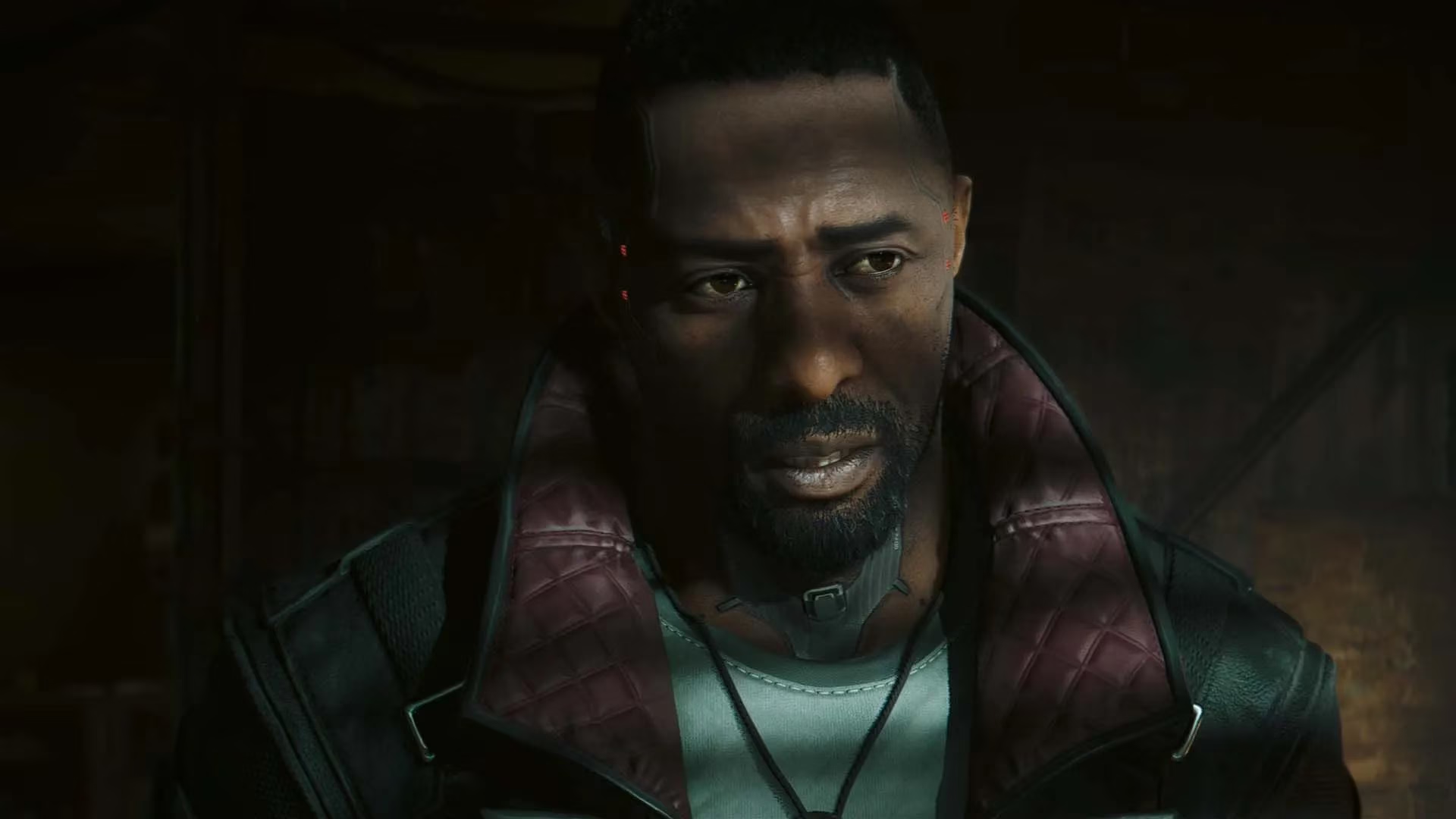
I found myself constantly surprised by the layers of history between these characters:
-
Solomon Reed carries multiple betrayals on his conscience
-
Songbird has switched allegiances more than once
-
President Myers makes cold political calculations that strain her relationship with Reed
-
Alex harbors secrets that complicate everything
The more I progressed through the DLC, the more this tangled web revealed itself. Every conversation peeled back another layer, exposing old wounds and broken promises.
Honor vs. Duty: The Core Conflict
Here's where Phantom Liberty really shines. You might think this is some patriotic military tale about honoring veterans, but it's actually the opposite. These characters consistently choose personal honor over institutional duty. When I discovered that Songbird had betrayed Reed to Arasaka, I expected him to write her off completely. Instead, he later tells her she was always one of his "people"—nothing could change that.
That moment hit hard. 😢
The Relationships That Define Us
| Character | Relationship Dynamic | Key Tension |
|---|---|---|
| Reed & Songbird | Mentor/Protégé | Past betrayals vs. loyalty |
| Myers & Reed | President/Agent | Political necessity vs. personal bonds |
| V & Everyone | Outsider/Ally | Getting caught in others' history |
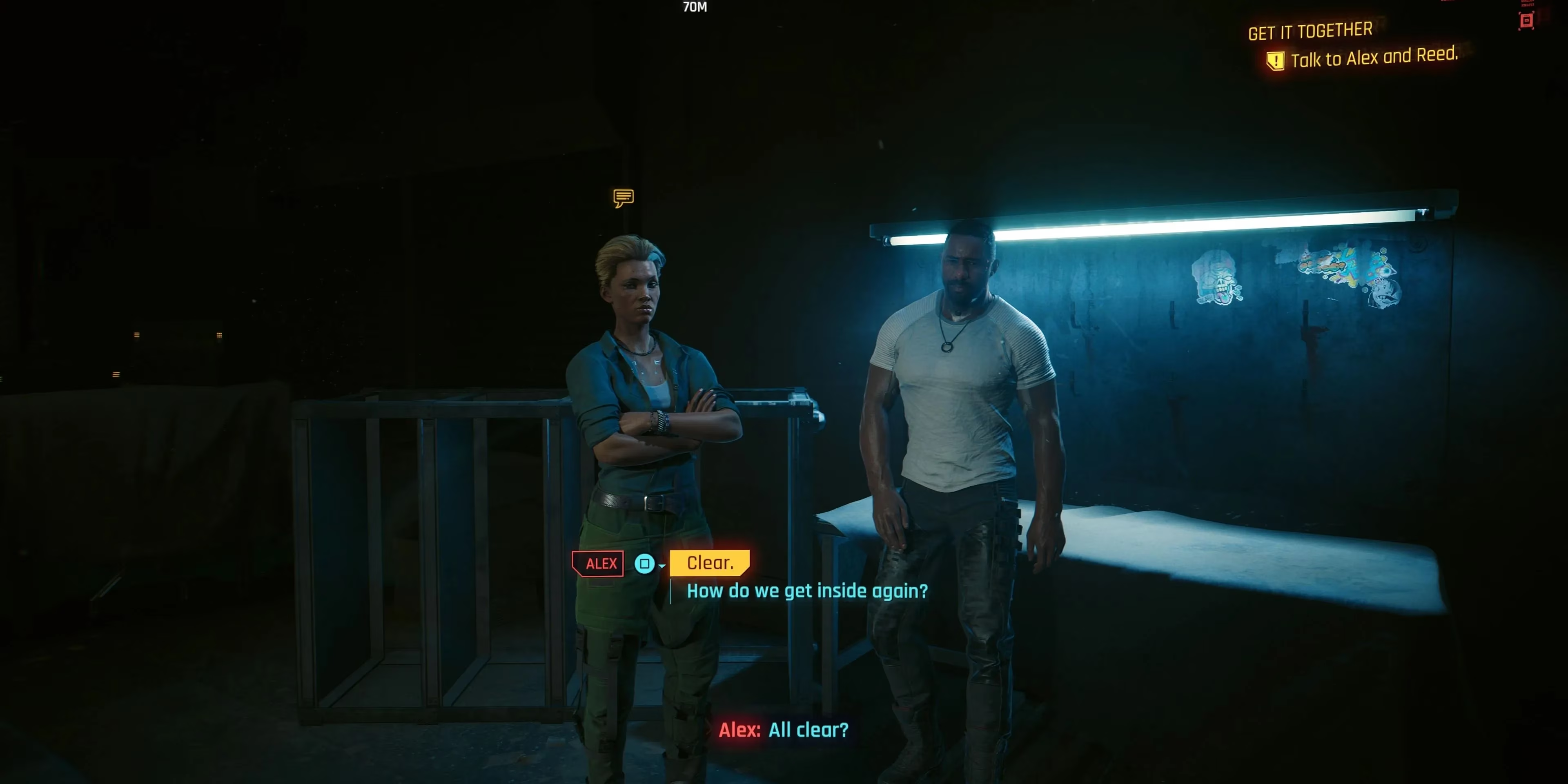
What makes this work so well is that V becomes entangled in these relationships simply by trying to help. You're not just an observer—you're actively participating in this complicated dance of trust and betrayal. Every choice feels weighted because you understand what these relationships mean to the people involved.
The Choice That Changes Everything
Without spoiling too much, the climactic decision between siding with Reed or Songbird absolutely wrecked me. Both options carry devastating consequences, and neither feels "right." It's a perfect encapsulation of what Phantom Liberty does best: forcing you to grapple with impossible choices where loyalty, honor, and duty all pull in different directions.
I spent probably twenty minutes staring at that decision screen, weighing everything these characters had been through together. That's the mark of exceptional storytelling—when a video game choice genuinely makes you pause and question what you believe.
Where the Spy Elements Actually Are
Don't get me wrong, there ARE spy-thriller moments scattered throughout. You'll infiltrate secure facilities, decode encrypted messages, and navigate political intrigue. But these are narrative vehicles rather than the story's substance. The real espionage happens in conversations, in the subtle ways characters manipulate and protect each other, in the intelligence they choose to share or withhold.
It's psychological warfare between people who know each other too well. That's infinitely more interesting than any stealth mission could be. 🎭
Why This Matters for the Game's Legacy
After Cyberpunk 2077's rocky launch in 2020, Phantom Liberty represents something crucial: redemption. CD Projekt Red needed to prove they could deliver on their promises, and this expansion does exactly that. It's the game working as intended, telling mature stories with complex characters who resist simple categorization.
The fact that this might be the only DLC we get makes it even more important. CD Projekt Red didn't waste this opportunity—they crafted something that stands alongside the best story-driven content in modern gaming.
What Sets It Apart
💡 Key Strengths:
-
Character-driven narrative that respects player intelligence
-
Morally complex choices without clear "good" options
-
Relationships that feel earned through shared history
-
Themes that resonate beyond the sci-fi setting
Final Thoughts
If you're coming to Phantom Liberty expecting James Bond in Night City, adjust your expectations. What you'll find instead is a meditation on what we owe each other, how the past shapes our present, and whether loyalty means following orders or protecting the people who matter most.
These secret agents don't define themselves by their missions—they define themselves by who they choose to protect when everything goes sideways. In a world as cynical as Cyberpunk 2077's, that's a surprisingly hopeful message. Even when systems fail us, even when we're betrayed, even when we make terrible choices—the connections we forge with others can endure.
That's a spy thriller I can believe in. 🌃
Recent analysis comes from UNESCO Games in Education, and it helps frame why Phantom Liberty lands hardest when it treats “spycraft” as a vehicle for human dilemmas—using interactive choice, perspective-taking, and consequence-driven narrative to make players interrogate loyalty, duty, and personal ethics rather than simply execute missions.