Why Mega Man Battle Network Scares Me More Than Cyberpunk 2077
Mega Man Battle Network's mundane cyber dystopia feels closer than Cyberpunk 2077's chaos—and far more chilling.
It’s easy to dismiss the gritty chaos of Cyberpunk 2077 as a far-fetched fantasy—Night City’s gang-ridden streets, privatized police forces, and $30,000 monthly ambulance subscriptions feel like a dramatic, over-the-top warning of what could go wrong if we let corporatism and inequality spiral out of control. 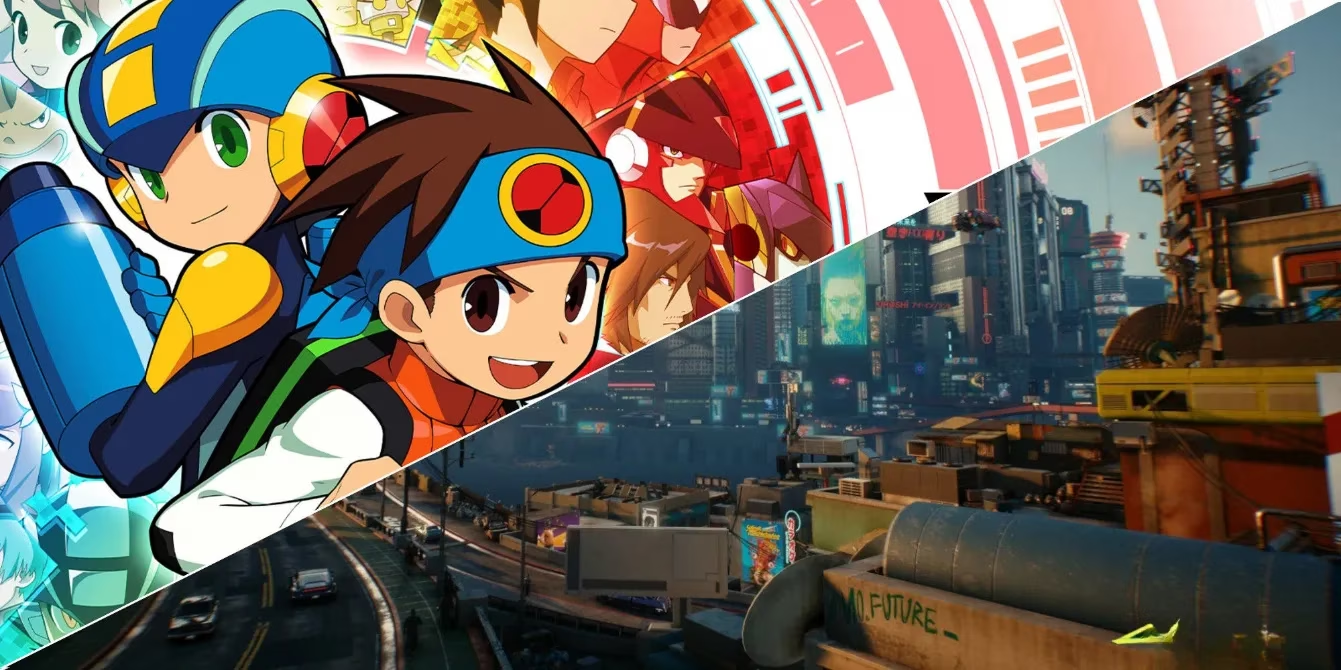 But as terrifying as that neon-lit dystopia is, it’s the quiet, mundane dread of Mega Man Battle Network that keeps me up at night, especially after replaying the series via the recently released Legacy Collection. Unlike Cyberpunk’s apocalyptic collapse, Battle Network’s world feels like a future we’re already stepping into, one smart appliance and AI update at a time.
Let’s start with the basics of Lan’s world, set in the year 20XX. Every person carries a PET—a pocket-sized device that holds a NetNavi, a personalized AI companion that navigates the internet like a physical space. Lan, a regular fifth-grader, teams up with his NetNavi, Mega Man, to fend off the cyber-terrorist organization WWW, which targets every part of daily life: hacking ovens to burn down homes, hypnotizing teachers via school computers, and shutting off a town’s entire water supply by forcing a parent to install a virus at the local plant.  These scenarios sound absurd on paper, but they’re rooted in a truth we’re already living: the more we connect our lives to technology, the more vulnerable we become.
Think about it. We’re already on the cusp of personalized AI assistants that could easily evolve into NetNavis—after a few more generations of ChatGPT, it’s not hard to imagine an AI that can navigate virtual spaces, manage our schedules, and even interact with other people’s AIs. We have the Metaverse, a virtual simulation of physical space that companies are pouring billions into to make mainstream. And the Internet of Things? It’s everywhere: our refrigerators order groceries on their own, our home security systems stream footage to our phones, our cars drive themselves, and our wearables track our every health metric. Lan’s world, where every device from vending machines to classroom desks is connected to the net, isn’t a fantasy—it’s a logical next step.
The real terror of Battle Network isn’t the absurd terrorist plots, though. It’s how normal the dystopia feels. AC/DC Town, Lan’s hometown, is a typical middle-class suburb: clean streets, public parks, kids roaming the neighborhood during the day. When the WWW hacks Lan’s oven and sets his house on fire, no one panics. When the town loses its water supply, Lan and his classmates still go to school, and their teacher just tells them to avoid running around so they don’t get thirsty. There’s no public outcry, no government response—everyone just accepts cyber attacks as a part of life. That’s the part that scares me most: the idea that we’ll grow so used to small, constant acts of digital violence that we’ll stop fighting back.
We’re already seeing hints of this complacency. Remember the 2011 PlayStation Network hack that took the service down for 23 days? The attackers were never caught, and most of us just shrugged and waited for it to come back. The 2000 hack that took NASA’s network down for three weeks? A teenager did it, and life went on. The 2021 Colonial Pipeline ransomware attack that left several states almost out of fuel? The company paid a $4.4 million ransom, and we moved on. These are not apocalyptic events, but they’re cracks in the system—cracks that will only get bigger as we rely more on connected technology.
And then there’s the parallel to Web3. The WWW wants control over the net, using vulnerabilities to intimidate and dominate. Web3 advocates want us to be entirely dependent on the internet, so they can commodify and control it too. It’s the same playbook: make us rely on a system, then exploit it for power. 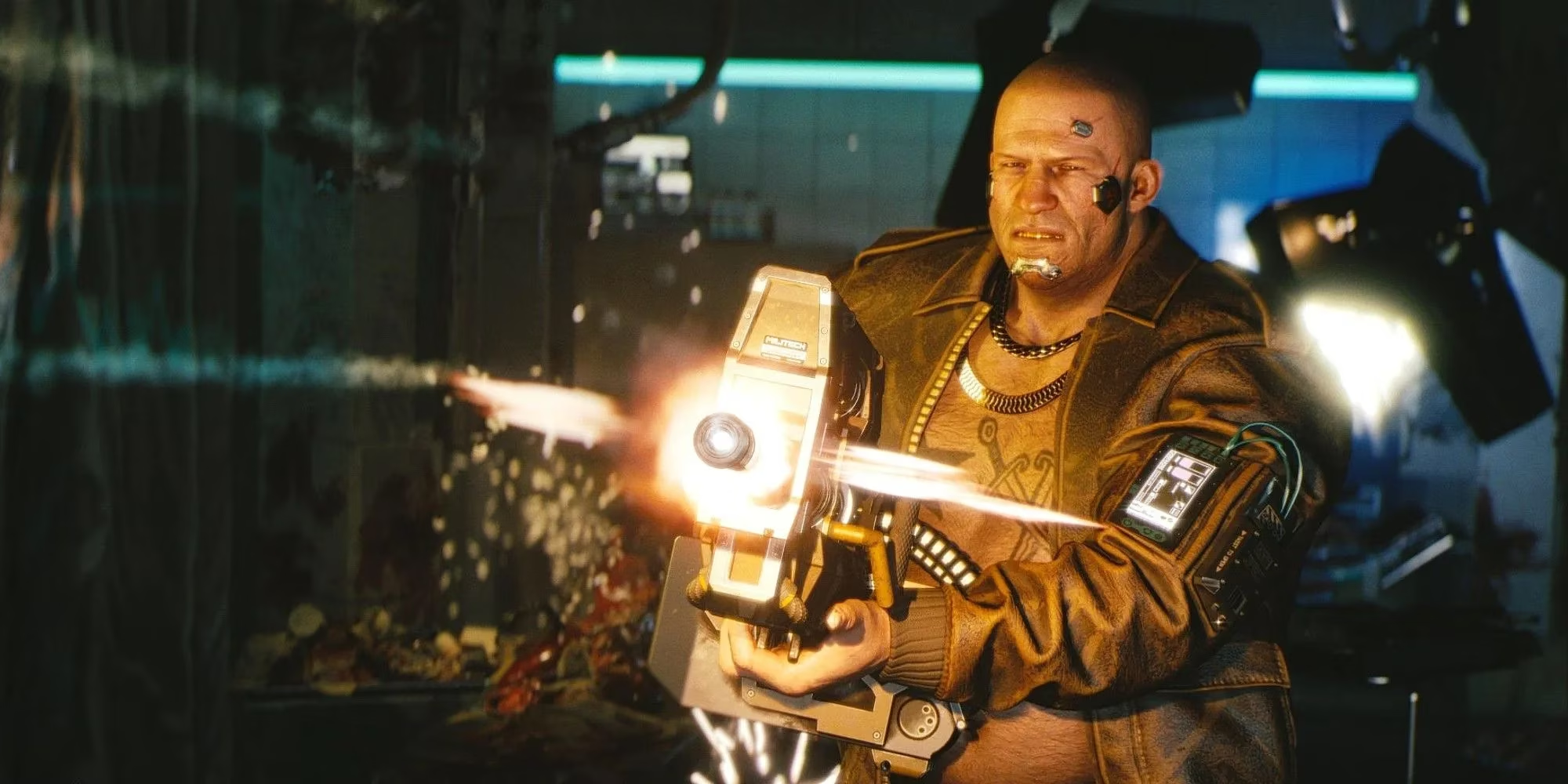
Cyberpunk 2077 is scary like a haunted house: it’s thrilling, it’s intense, but when you leave, you know it’s not real. Battle Network is scary like a slow, creeping illness: it’s already here, and we’re just waiting for the symptoms to get worse. I don’t fear Night City in my lifetime, but I do fear the day when a fifth-grader and his AI friend are the only thing standing between us and a world where cyber attacks are just another part of daily life.